Paper Cut: The Display Font That Brings Crafting to Life
A Typeface with a Handcrafted Soul
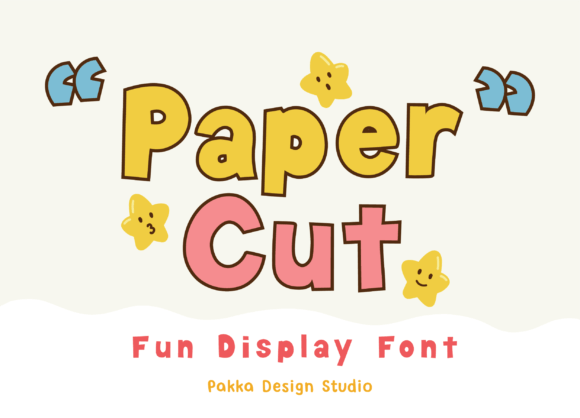
There’s a certain warmth to things made by hand. The slight imperfections, the tactile quality, the sense that a real person spent time creating something unique. Paper Cut is a premium font that taps directly into that feeling. It’s not just a collection of letters; it’s a visual language of creativity. Each character feels like a carefully snipped piece of paper, designed to be arranged and assembled like a charming craft project. This display font avoids the cold precision of many digital typefaces, instead embracing a playful, slightly irregular aesthetic that radiates authenticity and joy.
Think of the visual style: edges that mimic the soft texture of cut cardstock, forms that suggest depth and layering, and a personality that is inherently friendly and approachable. It doesn’t scream for attention with flashy gradients; it invites you in with its whimsical, handcrafted charm. This makes it a standout creative font for projects where you want to convey a sense of playfulness, imagination, and genuine craftsmanship. It’s a direct antidote to the overly sterile designs that can feel impersonal and forgettable.
Where This Crafty Font Truly Shines
Understanding a font’s personality is one thing; knowing where to apply it is where strategy comes in. Paper Cut isn’t a universal workhorse like a sans serif font for body copy. Its strength lies in specific, emotionally resonant contexts. For brand identity, it’s a powerful tool for businesses in the children’s sector—toy stores, educational blogs, kids’ clothing lines, or party planners. The font immediately communicates fun, imagination, and a hands-on ethos. Similarly, it’s a natural fit for DIY blogs, craft supply shops, Etsy store logos, and any brand built around the maker movement.
Its applications extend far beyond logos. In packaging design, using Paper Cut for product names or call-outs on boxes for art kits, handmade soaps, or gourmet cookies can make the product feel special and artisanal. For editorial design, it’s perfect for magazine headlines about home crafts, family activities, or creative hobbies. In the digital realm, it injects personality into social media graphics, webinar titles, and website banners for creative entrepreneurs. The key is to use it for impactful moments—a headline, a title, a short phrase—where its unique character can be fully appreciated without compromising the overall visual hierarchy.
Making Smart Design Choices with Paper Cut
Choosing a font is a decision that influences how your audience perceives your message. Paper Cut can significantly boost audience engagement by creating an instant emotional connection. Its playful nature can make content feel more accessible and less corporate, which is invaluable for small businesses and personal brands. However, this strong personality requires thoughtful application. Overusing it can overwhelm a design. The most professional approach is to use it as a display accent, paired with a clean, highly readable serif font or sans serif font for longer text. This creates a balanced font pairing that guides the reader’s eye effectively.
Before committing, always test the font in your specific context. Check its readability at the sizes you’ll use, especially for shorter words or logos. Does its whimsical style align with your project’s tone, or does it risk looking out of place? Review the full character set and any included styles—does it have the punctuation and symbols you need? For commercial projects, verifying the commercial font license is a non-negotiable step to ensure you have the rights for your intended use, whether it’s for a client’s logo or product packaging.
Practical Integration for Cohesive Design
Treat Paper Cut as a special design asset in your toolkit, not your primary text font. Its role is to inject a specific mood. For a children’s book cover, it might set the entire tone. For a bakery’s menu, it could highlight the “Freshly Baked” section. In web design, it could be the font for your site’s main tagline, with everything else in a more neutral typeface. This strategic use maintains brand consistency and professionalism. It shows you’ve made deliberate choices to shape the brand’s recognition, rather than just picking a trendy font.
Consider the message you need to send. If your project calls for warmth, creativity, nostalgia, or a handmade quality, this font is a strong candidate. If you need to convey sleek innovation or formal authority, you’d likely look to a different modern typography option. The best use of any premium font, especially one as distinctive as this, is when it feels like an authentic extension of the project’s core idea. It should feel inevitable, not forced. When that alignment happens, Paper Cut doesn’t just display words—it helps tell a richer, more engaging story.