Spotting: The Quirky Display Font That Brings Designs to Life
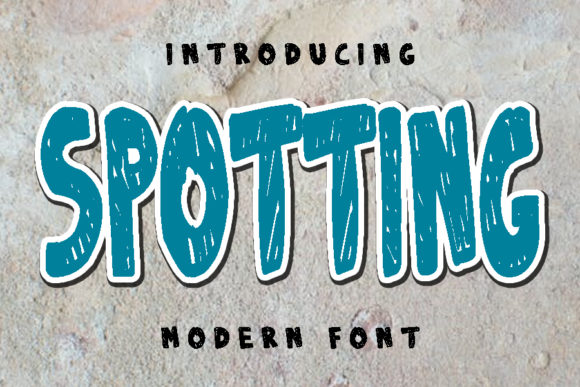
There's a particular kind of typeface that walks into a room and immediately changes the energy. It doesn't whisper. It doesn't blend into the background. Instead, it leans forward, makes eye contact, and starts a conversation. That's exactly what Spotting does. This cute yet thick lettered display font carries a whimsical, slightly quirky personality that has a genuine talent for brightening up designs without trying too hard.
If you've been scrolling through font libraries looking for something that feels both playful and confident, Spotting deserves your attention. It's the kind of creative font that designers reach for when a project needs warmth, character, and a touch of fun—without sacrificing legibility or professionalism.
What Makes Spotting Visually Distinctive
Spotting falls into the category of display font, which means it's designed to perform at larger sizes where its personality can really shine. The letterforms are thick, giving each character a satisfying visual weight that commands attention on the page or screen. But thickness alone doesn't tell the whole story. What sets Spotting apart is the subtle softness in its curves and the gentle irregularity in its proportions. These details prevent the font from feeling blocky or aggressive, instead lending it an approachable, handmade quality.
The overall style leans into a whimsical aesthetic without crossing into cartoon territory. There's a balance here that's harder to achieve than it looks. The letters feel rounded and friendly, with just enough quirkiness to give them personality. Think of it as the typographic equivalent of a well-designed illustrated character—expressive, memorable, and full of charm.
For anyone working in modern typography, Spotting represents a growing trend toward typefaces that feel human and approachable. In a landscape saturated with ultra-clean sans serifs and stark geometric fonts, something like Spotting offers a welcome change of pace. It reminds audiences that design can be joyful.
Where Spotting Truly Shines
The practical applications for a font like Spotting are surprisingly broad. As a premium font, it's versatile enough to earn its place in a wide range of projects, yet distinctive enough to make each one feel fresh.
Branding and Logo Design
When building a brand identity, the typeface you choose for your logo sets the tone for everything else. Spotting works beautifully for brands that want to communicate approachability, creativity, and warmth. Think boutique bakeries, children's clothing lines, indie craft brands, lifestyle blogs, or pet care businesses. The font's thick letterforms ensure it remains recognizable even at small sizes, which matters when your logo needs to work across everything from a website header to a tiny favicon.
A word of caution, though: Spotting is a display font, not a workhorse body text typeface. Pair it with a clean sans serif font or a readable serif font for longer copy. This contrast creates a font pairing that feels intentional and polished. The display font grabs attention in headlines and logos, while the supporting typeface handles the heavy lifting of paragraphs and product descriptions.
Editorial and Publishing Design
Magazines, book covers, and editorial design projects often need headlines that pop. Spotting handles this role naturally. Its thick, rounded characters create strong visual hierarchy, immediately drawing the reader's eye to the most important text on the page. For cookbook covers, lifestyle magazine spreads, or children's book titles, the font adds personality without overwhelming the accompanying imagery.
Bloggers and content creators will also find Spotting useful for chapter headings, pull quotes, and section titles within longer-form content. It breaks up visual monotony and gives digital publications a more curated, designed feel.
Packaging and Product Design
Product packaging design is one of Spotting's strongest territories. The font's playful thickness translates exceptionally well to physical products where type needs to be legible from a distance—on a shelf, across a store aisle, or in a product photo. Artisan food brands, handmade cosmetics, craft supplies, and specialty beverages can use Spotting to create packaging that feels inviting and distinctive.
The whimsical quality of the typeface also pairs well with illustration-heavy packaging. If your product labels feature hand-drawn elements, watercolor textures, or organic shapes, Spotting complements those visual elements rather than competing with them.
Digital and Social Media
In the fast-scrolling world of social media graphics, first impressions happen in milliseconds. Spotting's bold, friendly letterforms make it effective for Instagram posts, Pinterest pins, YouTube thumbnails, and promotional banners. The font reads quickly, even on small screens, and its distinctive personality helps content stand out in crowded feeds.
For web design, Spotting works well in hero sections, call-to-action buttons, landing page headlines, and promotional banners. It brings energy to digital spaces that might otherwise feel clinical. Just remember to test how it renders across different browsers and devices, as display fonts can sometimes behave unpredictably in certain web environments.
Personal and Commercial Projects
Crafters and hobbyists will appreciate Spotting for DIY projects like greeting cards, party invitations, scrapbook layouts, and custom stickers. Its approachable style makes it forgiving for non-designers—you don't need a design degree to make it look good. At the same time, its professional quality means it holds up in commercial font applications. If you're selling handmade products, designing merchandise, or creating client work, Spotting delivers results that look polished and intentional.
How Spotting Influences Your Design Outcomes
Choosing a font isn't just an aesthetic decision. It's a strategic one that affects how your audience perceives your message.
Readability and Engagement: Because Spotting is a display font, it prioritizes impact over extended reading comfort. Used correctly—in headlines, titles, and short bursts of text—it actually improves overall readability by creating clear visual anchors. Readers can scan a page quickly, identify key sections, and decide where to focus their attention. This kind of visual hierarchy keeps people engaged rather than overwhelmed.
Brand Perception: Typography shapes perception in ways most people never consciously notice. Spotting communicates that a brand is approachable, creative, and confident enough to have fun. It avoids the stiffness of corporate typefaces and the casualness of overly decorative script fonts or handwritten fonts. This middle ground makes it suitable for businesses that want to feel professional without feeling stuffy.
Consistency and Recognition: When you use Spotting consistently across your touchpoints—website, social media, packaging, print materials—it builds recognition. People start associating that distinctive lettering with your brand. Over time, this typographic consistency becomes a powerful element of your brand identity.
Practical Guidance for Working with Spotting
Before committing to any typeface, take a few practical steps to make sure it's the right fit.
- Evaluate your project's tone. Spotting suits playful, warm, creative, and approachable brands. If your project demands formality, authority, or minimalism, a different font will serve you better.
- Test font pairings early. Try Spotting alongside a few sans serif and serif fonts to see which combination feels right. Look for contrast in weight and style—a lighter, simpler companion font usually works best.
- Check readability at actual sizes. Type out real headlines and subheadings, then view them at the sizes you'll actually use. Make sure every letter is clearly distinguishable.
- Review all included styles. Many design assets like premium fonts come with multiple weights, alternates, or stylistic variations. Explore what Spotting offers so you can take full advantage of its range.
- Understand the licensing. If you're using Spotting for client work, merchandise, or commercial products, confirm that the license covers your intended use. This protects both you and your clients.
The best way to know if a font works is to put it to work. Load Spotting into a real project mockup, set actual text, and live with it for a day. If it makes you smile every time you look at it—and your audience responds the same way—you've found a keeper.