Grinds: The Handwritten Font That Captures Raw Energy
There is a specific kind of energy in hand-painted signs and gritty street art that standard digital typefaces often fail to capture. When you are designing for a brand that prides itself on authenticity, craftsmanship, or a bit of rebellious spirit, you need more than just a clean typeface. You need a voice. Grinds steps into that gap as a handwritten display brush font that doesn't just sit on the page—it demands attention. It is designed to mimic the natural, imperfect strokes of a paintbrush, offering a texture and warmth that brings digital designs back to the human touch.
Understanding the Visual Character of Grinds
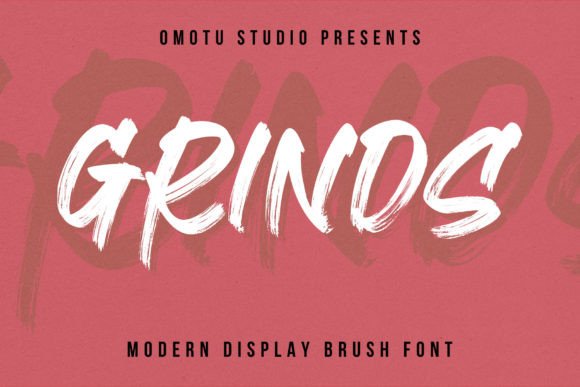
At its core, Grinds is a study in controlled chaos. As a premium font, it avoids the rigid geometry of vector art in favor of organic movement. The strokes vary in thickness, simulating the pressure a designer might apply to a real brush. This variation creates a dynamic rhythm, making the text look as though it was just painted onto the surface moments ago. It is not a script font in the traditional, cursive sense; rather, it is a display font with a bold, standalone presence.
The personality of this typeface is undeniably confident. It leans heavily into a "rough and ready" aesthetic, making it an ideal choice for projects that need to convey strength, tradition, or artisanal quality. Unlike a serif font that whispers sophistication or a sans serif font that shouts corporate efficiency, Grinds speaks with a textured, resonant voice. It bridges the gap between vintage typography and modern typography, offering a style that feels timeless yet contemporary.
Where This Creative Font Truly Shines
While Grinds is versatile, it is not a "one size fits all" solution for body copy. Its strength lies in its ability to dominate headlines and focal points. If you are working on logo design, this typeface provides an immediate sense of identity. It works exceptionally well for brands in the food and beverage industry, particularly craft breweries, BBQ joints, or coffee roasters. The texture of the font mimics the visual language of these industries—think chalkboards, wooden crates, and hand-stamped labels.
Beyond food, consider the power of this font in packaging design. On a shelf crowded with sterile, minimalistic products, a product using a handwritten font like Grinds stands out. It suggests to the customer that there is a human behind the brand. It is equally effective for apparel design. Typography for T-shirts and hoodies needs to be legible from a distance but stylistically relevant up close. Grinds achieves this balance, making it a staple in the arsenal of design assets for clothing lines.
Practical Applications: From Digital to Print
One of the most valuable aspects of Grinds is its adaptability across different mediums. In the realm of web design, it serves as a powerful hero font. Used sparingly on a landing page, it can draw the user's eye to a call-to-action or a key value proposition. However, because it is a display font, it should be paired carefully with a highly legible sans serif font for body text to ensure readability and accessibility.
In editorial design, such as magazine layouts or book covers, Grinds adds a layer of intrigue. It is perfect for chapter titles or pull quotes, breaking up the monotony of standard text blocks. For social media graphics, where attention spans are short, the bold nature of this typeface stops the scroll. It creates impactful headers for Instagram posts or YouTube thumbnails that pop against busy backgrounds.
Font Pairing and Visual Hierarchy
A common challenge with creative fonts is finding the right partner. Because Grinds has such a strong personality, it can easily overpower a competing typeface. The key to successful font pairing is contrast. Avoid pairing it with other decorative fonts or script fonts, as this will result in visual clutter.
Instead, look for a neutral, geometric sans serif font. A clean, modern sans serif provides the perfect counterbalance to the rough texture of Grinds. This contrast helps establish a clear visual hierarchy. The brush font handles the emotional heavy lifting in the headlines, while the sans serif handles the functional work in the subheadings and body copy. This approach ensures your brand identity remains professional and easy to consume.
Evaluating Fit and Professionalism
When deciding if Grinds is the right commercial font for your project, consider the emotional response you want to evoke. If your brand strategy relies on sleek, futuristic, or ultra-corporate themes, this font might feel out of place. However, if your strategy focuses on heritage, craftsmanship, outdoor adventure, or gritty urban culture, it is a perfect match.
It is also important to review the technical aspects of the font. As a premium font, Grinds often comes with variations and alternate characters that allow you to customize the look of your text. Checking these features ensures you aren't just buying a static set of letters, but a flexible tool for modern typography.
Licensing and Long-Term Use
Finally, for entrepreneurs and small business owners, understanding the licensing of a commercial font is crucial. Before integrating Grinds into your permanent brand identity, verify that the license covers your specific use cases, whether that is print-on-demand merchandise, digital advertising, or software embedding. Treating your typography as a professional asset—rather than just a decorative element—protects your business and ensures consistency across all your marketing materials.
Grinds offers a unique opportunity to inject personality into your designs. By leveraging its brush-stroke texture and bold presence, you can create designs that feel authentic, engaging, and unmistakably human.