Toktok: Bringing Playful Energy to Your Design Projects
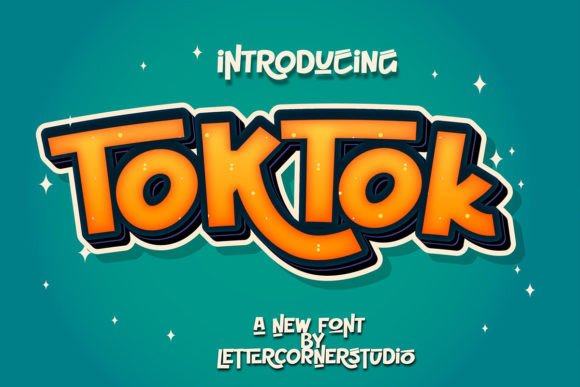
When you first encounter the Toktok typeface, you immediately sense its personality. It is a bold, comic-inspired display font that refuses to be ignored. Unlike traditional serif fonts or clean sans serif fonts, Toktok brings a hand-drawn, organic feel to modern typography. It captures the energy of sketching on paper but refines it into a usable digital format. This font is not designed for long paragraphs of body text. Instead, it serves a specific, vital role: grabbing attention. Whether you are working on a logo design, creating social media graphics, or developing packaging design, understanding how to deploy a creative font like Toktok can be the difference between a design that blends in and one that truly resonates.
Visual Characteristics and Personality
Toktok falls into the category of premium display fonts, characterized by its thick strokes, irregular baselines, and expressive character shapes. It feels spontaneous and energetic. The visual style mimics the imperfections of hand-lettering, which gives it a human touch that rigid digital fonts often lack. This typeface carries a youthful, confident, and slightly rebellious attitude. It works well for projects that need to feel approachable and fun rather than corporate and stiff.
The appeal of Toktok lies in its versatility within the "fun" niche. It is not just a cartoon font; it is a modern typography solution for brands that want to appear friendly and accessible. The weight of the letters provides strong visual hierarchy, ensuring that headlines stand out immediately. However, because of its decorative nature, it requires careful handling to maintain readability.
Strategic Applications for Toktok
Knowing where to use a font is just as important as the font itself. Toktok excels in environments where brevity and impact are key. Here are practical areas where this typeface shines:
- Branding and Logo Design: For businesses targeting a younger demographic or those in the entertainment, food, or lifestyle sectors, Toktok offers a distinct voice. It helps create a brand identity that feels bespoke and crafted rather than generic.
- Fashion and Apparel: T-shirt printing is one of the most common uses for comic display fonts. Toktok’s bold lines reproduce well on fabric, making it ideal for slogans, merchandise, and streetwear branding.
- Packaging Design: If you are designing labels for snacks, beverages, or artisanal goods, Toktok can add a homemade, authentic feel. It works particularly well for products that want to stand out on a crowded shelf.
- Digital Media and Web Design: In the fast-paced world of social media graphics, you have milliseconds to stop the scroll. Using Toktok for Instagram posts, YouTube thumbnails, or website hero sections can significantly boost engagement. It serves as a strong anchor for your visual hierarchy.
- Editorial and Publishing: While not suited for the body copy of a novel, Toktok is excellent for book covers, chapter titles, or magazine headers that need a casual, relatable tone.
Font Pairing and Readability
One of the most critical aspects of using a display font like Toktok is pairing it effectively. Because Toktok is loud and expressive, it needs a quieter partner to handle the heavy lifting of body text. A common mistake is pairing it with another decorative or handwritten font, which creates visual chaos.
Instead, look for a neutral sans serif font or a simple serif font for the supporting text. Fonts like Open Sans, Roboto, or Lato provide a clean, legible counterpoint to Toktok’s energetic strokes. This contrast creates a balanced design where the headlines pop, but the message remains clear and easy to read.
When evaluating project fit, always consider the medium. On a t-shirt, readability depends on the fabric color and print method. On a website, you must consider screen resolution. Toktok is designed for large sizes; shrinking it down for captions or footnotes will likely result in muddy, illegible text. Always test your designs at various sizes to ensure the letterforms hold up.
Evaluating Commercial Use and Licensing
For designers, entrepreneurs, and small business owners, the legal aspect of typography is non-negotiable. Toktok is a commercial font, meaning it requires a license for use in professional projects. Before finalizing a design for a client or your own business, review the licensing terms carefully.
Most font licenses distinguish between desktop use (for print), web use (for websites via @font-face), and app use. Ensure your license covers the specific application you intend. Investing in a premium font license protects your business from legal issues and supports the type designers who create these valuable design assets.
Practical Tips for Implementation
To get the most out of Toktok, treat it as a design asset, not just a typeface. Use it to set a mood. If you are designing a menu for a casual cafe, Toktok can make the food sound fun and appetizing. If you are creating a catalog for a trendy boutique, it adds a layer of cool sophistication.
Experiment with letter spacing (tracking) and line height (leading). Sometimes, slightly increasing the space between letters in a display font can improve legibility without losing the style. Additionally, consider the color contrast. Toktok looks best when there is a strong distinction between the text and the background, ensuring the intricate details of the font are visible.
Ultimately, Toktok is about connection. In a digital world full of sterile, automated text, a font that looks human and tactile draws people in. By using it thoughtfully, you can inject personality into your projects, strengthen your brand identity, and create designs that people remember.