Bring Your Projects to Life with Laser Neon
There’s a distinct energy that comes from a glowing neon sign, a feeling of retro-futurism and casual cool that’s hard to replicate. Capturing that vibrant, electric spirit in a digital format is exactly what the Laser Neon display font achieves. This isn't just another typeface; it's a tool for injecting personality, warmth, and a playful edge into your creative work. As a creative professional, I’ve seen countless fonts, but only a few manage to bridge the gap between nostalgic charm and modern versatility so effectively. Laser Neon is one of them.
The Visual DNA of Laser Neon
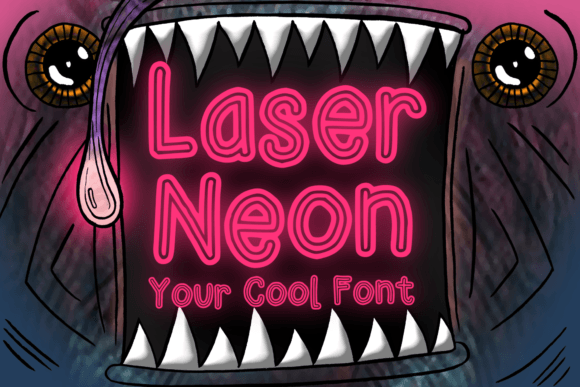
At its core, Laser Neon is a premium font that mimics the aesthetic of bent glass tubing filled with luminous gas. Its letterforms feature consistent, rounded strokes with a distinctive inline or outlined effect, simulating the look of a real neon tube. The characters often have subtle, soft glows or shadow effects built into the design, giving them immediate depth and presence even on a flat screen. This isn't a stark, geometric sans serif font; its personality is friendly, approachable, and slightly whimsical. The overall appeal lies in its ability to feel both nostalgic and contemporary, making it a standout creative font for projects that need to grab attention without being aggressive.
Where Laser Neon Truly Shines
Understanding where a font like this excels is key to using it effectively. Its casual, inviting nature makes it a natural fit for a wide array of applications, but its strength lies in specific contexts where its personality can complement the project's goal.
For Branding and Marketing
For brand identity, Laser Neon can be a secret weapon for businesses targeting a younger, trend-aware demographic or those in the entertainment, food, or lifestyle sectors. Imagine it on a logo for a retro arcade bar, a modern diner, or a creative agency specializing in viral content. It instantly communicates a brand that doesn’t take itself too seriously, is fun, and is confident in its style. In social media graphics, its high-contrast, glowing effect is engineered for the scroll. It stops thumbs, making it ideal for event announcements, promotional posts, and story highlights that need to pop in a crowded feed.
In Publishing and Editorial Design
While Laser Neon is a display font and not meant for body text, it’s a powerhouse for headlines and titling in editorial design. Use it on the cover of a magazine, a chapter opener, or a pull quote in a feature article about music, design, or pop culture. It adds a layer of visual intrigue that draws readers in. For self-publishers and authors, it’s perfect for the title and cover of a children’s book, a young adult novel, or any genre that benefits from a touch of magic or retro flair. It works beautifully as a complement to a clean serif font for the body copy, creating a dynamic visual hierarchy.
For Physical Products and Craft Projects
This is where Laser Neon’s versatility truly becomes a practical asset. For packaging design, think of a hot sauce label, a snack bag, or a craft beer can—products where shelf presence is everything. The font’s inherent energy translates exceptionally well to print, especially when used with vibrant colors or foil stamping. Crafters and hobbyists will find it invaluable for creating eye-catching stickers, posters for local events, custom t-shirts, and greeting cards. Its friendly style makes it a perfect match for anything meant to be given or shared, adding a personal, handmade touch that feels both professional and heartfelt.
Making Laser Neon Work for You
Choosing a commercial font is an investment. To ensure Laser Neon is the right fit and to use it effectively, a thoughtful approach is necessary. This isn't about following rigid rules, but about applying practical design thinking to get the most out of this unique typeface.
- Evaluate the Project's Tone: Before you commit, ask yourself: does the project need a casual, energetic, and friendly voice? Laser Neon is a poor choice for a law firm's annual report but a perfect one for a music festival's promotional materials. Its personality is strong, so it needs to align with the message.
- Master Font Pairing: A display font like Laser Neon rarely works well in isolation for a complete project. The key is pairing. It sings when set against a simple, neutral background. Try pairing it with a clean sans serif font like Montserrat or a classic serif font like Lora for body text. This contrast allows Laser Neon to command attention as a headline without overwhelming the reader.
- Check for Versatility: A good premium font often comes with more than just basic letters. Review the font files to see if Laser Neon includes alternates, ligatures, or multilingual support. These extra glyphs can add significant value, allowing you to customize headlines and create unique typographic compositions that feel bespoke.
- Prioritize Readability: As a stylized display font, readability at small sizes is a consideration. Test it at the intended size. It’s fantastic for large headlines, logos, and short, punchy phrases. Avoid using it for long sentences or small captions where its intricate details might become muddy. Its job is to attract, not to inform at length.
- Understand the Licensing: Always ensure you have the correct license for your use. If you’re using Laser Neon for a client's logo, merchandise you plan to sell, or a published book, you need a commercial license. Respecting licensing agreements is a cornerstone of professional practice and protects both you and the font's creator.
In a world saturated with minimalistic designs, Laser Neon offers a refreshing dose of character. It’s a design asset that bridges the gap between web design and print, between professional branding and personal projects. By understanding its strengths—its vibrant personality, its retro-modern appeal, and its incredible versatility in the right contexts—you can move beyond simply setting text and start crafting experiences. It’s a font that doesn’t just display words; it makes them feel alive.