Royal Letter: An Elegant Serif Display Font for Modern Designers
A Typeface with Timeless Character and Surprising Versatility
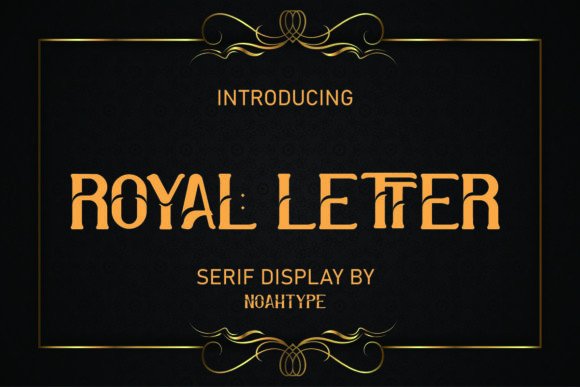
When you first encounter Royal Letter, its immediate presence is one of refined elegance. This is a serif display font that carries itself with a quiet confidence, blending classic typographic principles with a clean, contemporary edge. The letterforms feature graceful curves, balanced stroke weights, and thoughtful details that give it a distinct personality. It feels authoritative without being stuffy, and luxurious without being overly ornate. As a premium font, it’s crafted to serve as a cornerstone for projects where first impressions and sustained visual appeal are critical.
Its true strength, however, lies in its versatility. While many elegant serif fonts are pigeonholed for wedding invitations or high-end branding, Royal Letter breaks that mold. Its design is robust enough for logo design and brand identity systems, yet refined enough for editorial design and packaging design. The PUA encoding is a practical boon for designers, allowing effortless access to every alternate glyph and ligature through standard character maps. This means you can fine-tune typography with unique flourishes or stylistic sets, adding a layer of customization that elevates the final product from standard to standout.
Where Royal Letter Truly Shines: From Logos to Social Feeds
Choosing the right display font is about matching its personality to the project's voice. Royal Letter excels in contexts that demand a touch of sophistication and clarity. For logo design, it creates memorable wordmarks that feel established and trustworthy. Think of boutique agencies, artisanal product lines, or consultancy firms looking to project expertise and stability. In brand identity work, it forms a strong foundation for primary headlines, supporting a comprehensive type system that might pair it with a clean sans serif font for body text or a subtle script font for accents.
Its applications extend far beyond static logos. In editorial design, such as magazine mastheads, book titles, or chapter headings, it commands attention on the page. For packaging design, it lends an air of quality and care, perfect for product labels where legibility at a glance is as important as aesthetic appeal. In the digital realm, it’s a powerful choice for website hero sections, impactful social media graphics, and presentation slides. The key is using it at sizes where its details can be appreciated—it’s a headline hero, not a body copy workhorse. Pairing it with a highly legible sans serif for longer paragraphs ensures the overall design remains functional and readable.
Making Informed Choices: Pairing, Testing, and Licensing
Integrating any new creative font into your workflow requires a thoughtful approach. Start by evaluating your project's core needs. Does your brand or design aim for classic elegance, modern authority, or creative sophistication? Royal Letter leans into the first two, making it a poor fit for projects requiring a playful, handwritten font aesthetic. Review the included styles and glyph sets. The availability of alternates and ligatures means you can avoid repetitive typography in headline treatments, adding subtle variation that keeps the design fresh.
Effective font pairing is essential. The goal is contrast, not conflict. Try combining Royal Letter with a geometric or humanist sans serif font for body text. The contrast in structure—the serif's detail against the sans serif's simplicity—creates a clear visual hierarchy that guides the reader's eye. Always test your pairings in context. Mock up a headline and a paragraph of text. Check the spacing, the x-height relationship, and the overall color on the page. This step is crucial for ensuring the typography enhances, rather than hinders, readability.
Finally, understand the licensing. As a commercial font, Royal Letter comes with terms that specify its use. Most licenses cover desktop installation for creating print or digital graphics. If you plan to embed the font in a website, app, or software, you’ll likely need an extended web or app license. Always review the license agreement provided by the foundry or distributor to ensure your use is fully covered, protecting both your project and the font creator's work. This due diligence is a hallmark of professional practice and ensures your design assets are used correctly.
In practice, think of Royal Letter not as a magic solution, but as a specialized tool in your typographic toolkit. Its value is realized when its elegant, structured personality aligns with the message you need to convey. Use it to establish a strong brand identity, create impactful social media graphics, or design elegant packaging. By focusing on its strengths—clear character, versatile application, and accessible features—you can leverage this serif font to produce work that feels both professional and distinctly crafted.