I Love You: Crafting Designs with a Handwritten Heart
There’s a particular warmth that only a handwritten touch can bring to a design. In a world saturated with clean, geometric sans serifs and rigid serif typefaces, a font that mimics the natural flow of a pen on paper stands out immediately. It feels personal, authentic, and deeply human. This is the space where the I Love You typeface thrives. It isn't just a collection of letters; it’s a design asset that injects personality and emotion into any project it touches. For designers, entrepreneurs, and creators looking to bridge the gap between professional polish and personal charm, this premium font offers a versatile solution that goes far beyond simple wedding invitations.
The Anatomy of a Friendly Typeface
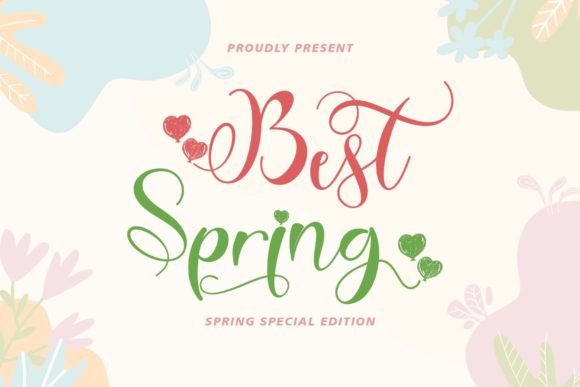
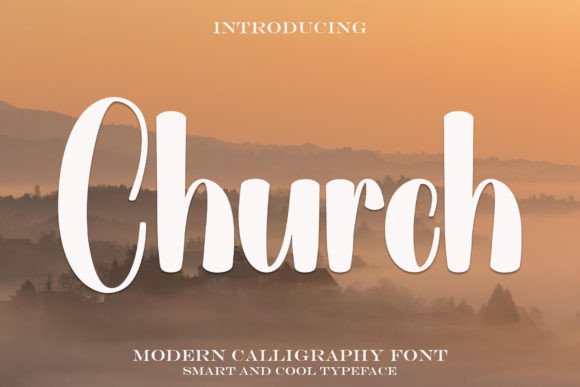
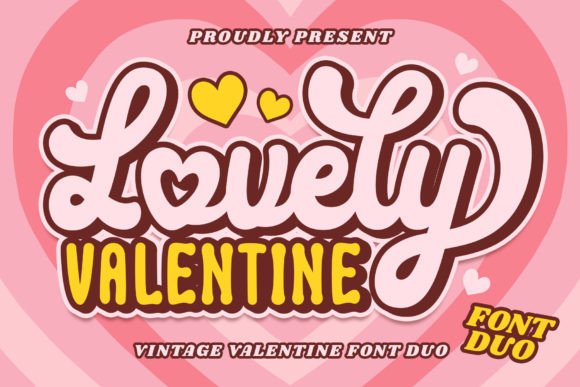
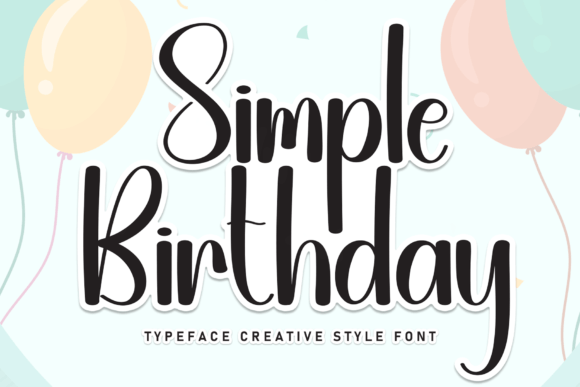
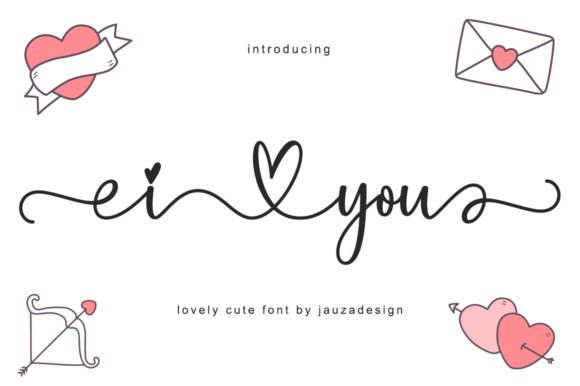
At its core, I Love You is a script font defined by its organic, flowing structure. It captures the essence of modern calligraphy without sacrificing legibility. Unlike rigid, structured typefaces, this font features natural connections between letters and subtle imperfections that mimic real ink. This gives it a unique texture that feels tactile, even on a digital screen.
The visual personality of the font is undeniably sweet and approachable, but it possesses a versatility that allows it to adapt to different moods. Depending on the color palette and layout you pair it with, I Love You can feel whimsical and playful, or sophisticated and elegant. The stroke weight is balanced to ensure it remains readable at various sizes, making it a reliable choice for both headlines and shorter descriptive text. It is a true display font, meaning it shines brightest when used to draw the eye, but it maintains the readability needed for effective communication in editorial design and packaging design.
Real-World Applications: Where This Font Shines
Understanding a font's technical specifications is one thing; knowing how to apply it in the real world is where the value lies. The I Love You typeface is a workhorse for projects that require an emotional connection. Here is how different professionals can leverage its style:
- Brand Identity and Logo Design: For small businesses, especially in the lifestyle, beauty, or boutique sectors, a handwritten font like this can be the cornerstone of a brand identity. It signals to customers that the brand is approachable, creative, and attentive to detail. It works exceptionally well for logos, provided the business name isn't too long.
- Marketing and Social Media: In the fast-scrolling world of social media, static text often gets ignored. Using I Love You for social media graphics—such as quotes, sale announcements, or Instagram stories—adds a layer of authenticity. It mimics the look of a personal note, which can increase engagement and make a brand feel more "human."
- Publishing and Editorial: Book covers and magazine layouts often rely on contrast. Pairing this fluid script font with a structured sans serif font creates a dynamic visual hierarchy. It draws the reader's eye to the title or a key headline, while the secondary font handles the heavy lifting of body copy.
- Event Stationery: While it is a natural fit for wedding invitations, think beyond that. Birthday parties, baby showers, boutique launch events, and holiday cards all benefit from the warm, celebratory vibe of this typeface.
- Product Packaging: Imagine this font on a label for artisanal jams, handmade candles, or organic skincare. It instantly communicates that the product is crafted with care, adding perceived value to the item on the shelf.
Strategic Design: Readability and Hierarchy
One of the most common pitfalls in using a creative font like I Love You is prioritizing style over function. While the font is beautiful, it must serve the message. As a general rule of thumb in modern typography, script and handwritten fonts should be used sparingly. They are best suited for headlines, sub-headers, and call-outs rather than long blocks of paragraph text.
When integrating this font into your web design or print layouts, pay close attention to the visual hierarchy. The flowing nature of the letterforms naturally creates a focal point. Use this to your advantage to highlight your primary value proposition or a specific call to action. However, ensure there is enough contrast between the text and the background. Handwritten fonts can become difficult to read if placed on busy images or low-contrast backgrounds.
Maximizing Your Design Assets
For the modern creative professional, efficiency is key. The I Love You font comes with features designed to streamline your workflow. It is PUA encoded, which stands for Private Use Areas. In practical terms, this means you have full access to all the special characters, glyphs, and ligatures without needing specialized design software. Whether you are using a professional suite or a basic text editor, you can access the full range of stylistic alternates that give the font its unique flair.
When testing font pairings, look for a strong serif font or a clean geometric sans serif font. The goal is balance. The organic curves of I Love You need a structured partner to anchor the design. If you use a font that is too decorative for the body text, the layout will become chaotic. If you use a font that is too rigid, you might lose the warmth you are trying to convey.
Licensing and Commercial Use
Before finalizing your design, always verify the licensing. As a commercial font, I Love You is typically licensed for specific uses. Most premium licenses cover a wide range of applications, including merchandise, digital products, and client work. However, if you are creating a design for a large-scale corporation or a mass-produced product, it is prudent to review the End User License Agreement (EULA) to ensure compliance. This protects both the designer and the end client, ensuring the font remains a valuable asset in your library for years to come.
Ultimately, the I Love You